
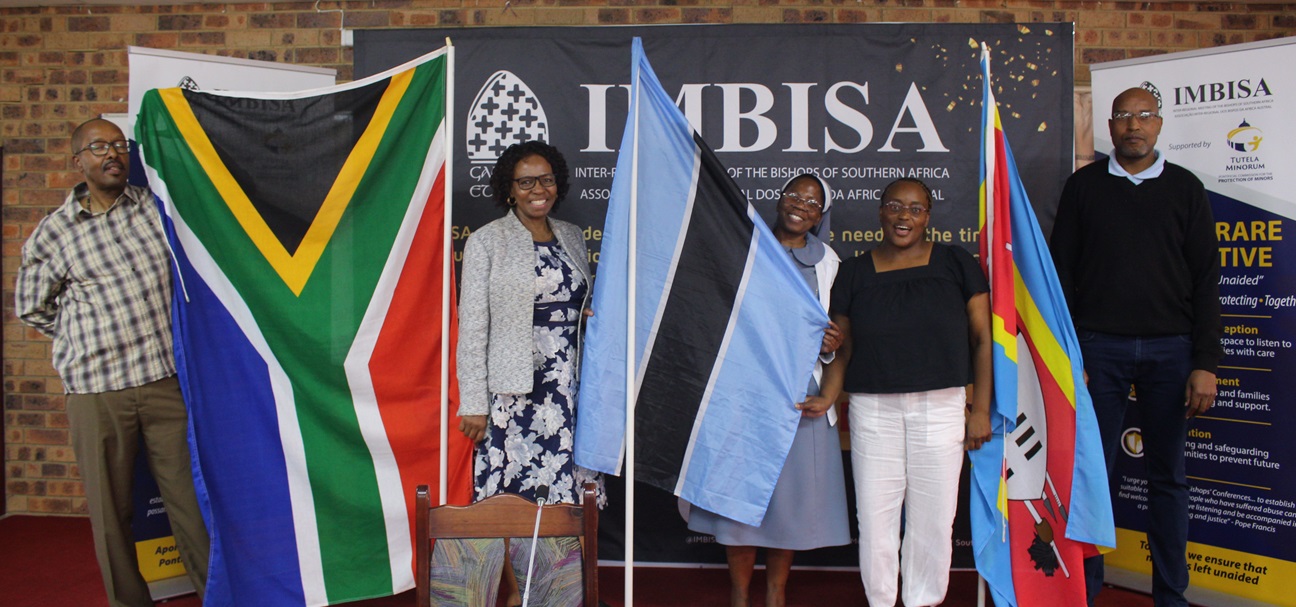
Representatives from Botswana, Eswatini and South Africa reflect on the impact of mining on communities and the need for stronger advocacy to protect human dignity and the environment.
Justice and Peace representatives from Botswana, Eswatini and South Africa have highlighted the importance of community involvement, accountability and regional cooperation in addressing the social and environmental consequences of mining.
They shared their experiences in separate interviews with the Southern African Catholic Bishops’ Conference (SACBC) Communications Office during a regional workshop organised by the Inter-Regional Meeting of the Bishops of Southern Africa (IMBISA), held at the Padre Pio Retreat Centre in Pretoria from 12 to 16 October 2026.
The workshop, held under the theme “Empowering religious leaders to engage in the effective advocacy of socio-political, economic, and environmental issues in the IMBISA region,” examined mining, xenophobia, human trafficking, democratic participation, youth engagement, climate change and environmental justice.
South Africa: Accompanying mining-affected communities
Philani Mkhize, of the SACBC Commission for Justice and Peace, spoke about the Church’s work accompanying communities affected by mining. He traced the initiative to 2010, when the Commission was invited by a community in Ingwavuma affected by the opening of a coal mine.
The ministry has since extended to supporting former miners suffering from occupational lung disease, commonly known as black lung disease. Mkhize explained that the Commission is accompanying affected miners seeking compensation from mining companies through a class-action case supported by human rights lawyers.
Reflecting on the workshop, he highlighted a recurring injustice in mining communities: while companies retain the profits, local communities often bear the social and environmental costs. “Wherever mining happens, just across the board, profits are private, but the costs are socialised,” he said, pointing to the suffering experienced by communities hosting mining operations.
Eswatini: Concerns over abandoned mines
Fr. Sandile Mswane of the Diocese of Manzini highlighted a different dimension of the mining challenge in Eswatini, where mining activity is relatively limited. He raised concerns about abandoned mines that have not been properly closed or secured. According to Fr Mswane, people sometimes enter these sites in search of minerals, exposing themselves to dangerous conditions that have resulted in accidents and deaths.
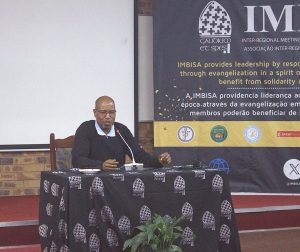
Although authorities have taken steps to prevent people from entering abandoned mines, the problem persists when monitoring efforts lapse. Fr Mswane said the Church’s relevant office in Eswatini had raised the issue with the government, calling for measures to prevent further loss of life.
The 12 to 16 October workshop also broadened his understanding of the long-term consequences of mining, particularly the responsibilities involved in closing operations and addressing the effects on communities and the environment.
Botswana: From dialogue to action
In a separate interview, Sr. Tshepo Sengwatse SC, Chipo Gaobatwe and Segakweng Tsiane, involved in coordinating Justice and Peace activities in Botswana, stressed the importance of translating the workshop’s recommendations into practical action.
They highlighted the need to strengthen democratic institutions, promote responsible resource management and ensure that the benefits of mining contribute to the common good. They also called for greater involvement of Catholic communities in implementing the workshop’s recommendations at diocesan and parish levels, alongside stronger regional cooperation.
The workshop concluded with recommendations and a regional communiqué to strengthen collaboration among IMBISA’s six Episcopal Conferences: Angola and São Tomé and Príncipe (CEAST), Lesotho (LCBC), Mozambique (CEM), Namibia (NCBC), Southern Africa (SACBC), and Zimbabwe (ZCBC).
0 Comments