
Seminaries across Southern Africa are being encouraged to integrate synodality into priestly formation, equipping future priests to foster listening, participation and shared responsibility in the life of the Church.
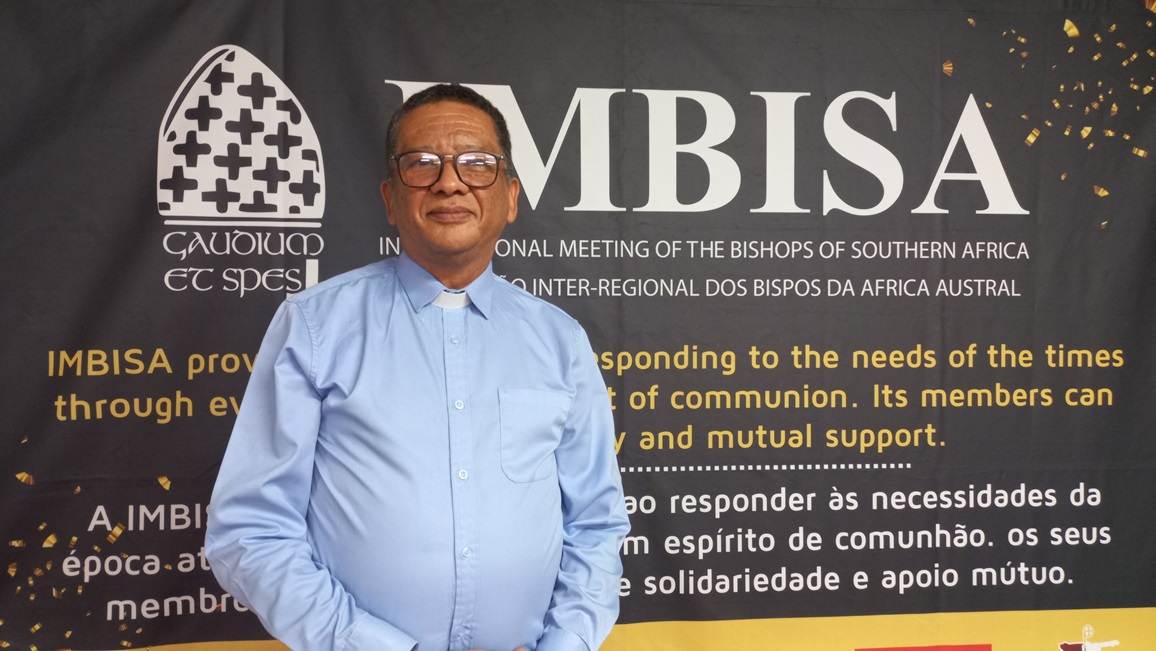
Speaking to the Southern African Catholic Bishops’ Conference (SACBC) Communications Office, the Director of the Inter-Regional Meeting of the Bishops of Southern Africa (IMBISA) Secretariat in Harare, Zimbabwe, said the 26 to 30 October workshop held at the Padre Pio Conference and Retreat Centre marked an important step towards making synodality a lasting part of seminary curricula.
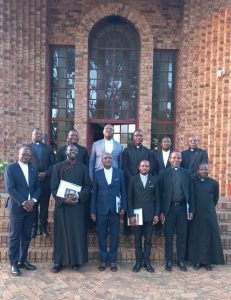
Themed ‘Synodality Curriculum development’, the weeklong workshop brought together 12 rectors from seminaries from the Episcopal Conference of Angola and São Tomé e Príncipe (CEAST), three from the Zimbabwe Catholic Bishops’ Conference (ZCBC), one from the Lesotho Catholic Bishops’ Conference (LCBC) and one from the Episcopal Conference of Mozambique (CEM).

Integrating synodality into formation
Fr Parry explained that IMBISA has a longstanding history of bringing rectors from regional seminaries together to strengthen priestly formation. Previous initiatives included collaborative work on curricula and the development of a human formation manual, which was translated into the region’s languages (English and Portuguese) and distributed to seminaries.
The latest initiative builds on this experience and the Church’s ongoing implementation of the Synod on Synodality. Following an initial workshop in 2024, rectors expressed the need to move beyond discussions about synodality and develop a structured course that would embed its principles in the formation of future priests.
Working with ASI, participants examined a draft syllabus and considered how it could be adapted to the different realities of seminaries across the region. “The seminaries responded very positively. They want something like this,” Fr Parry said, noting that the rectors intended to present the initiative to their seminary communities and the bishops responsible for formation.
An African approach to synodality
One aspect that particularly encouraged participants was the use of resources written by African theologians and scholars.
Fr Parry, a member of the clergy of Oudtshoorn Diocese, said the workshop prompted participants to consider how the IMBISA region could contribute its own perspectives and experiences to the development of synodality.
The sessions explored the theological foundations of synodality and its implications for priestly formation, including the practice of ‘Conversation in the Spirit’, a method of communal discernment used during the Synod on Synodality.
Fr Parry also highlighted the contribution of facilitators with firsthand experience of the Synod, whose insights helped the rectors engage more deeply with the process.
From seminaries to parish communities
For Fr Parry, the work cannot end with the development of a curriculum, as priests formed in synodality will eventually serve in parish communities where people may have limited knowledge of the process or may be reluctant to embrace it. According to Fr Parry, formation, therefore, must extend beyond seminarians to include those involved in the wider life of the Church.
During the workshop, rectors began identifying practical steps for introducing synodality into their institutions, engaging their formation teams and securing the support of their bishops.
According to Fr Parry, IMBISA intends to maintain contact with the seminaries and bring the rectors together again to assess progress and share experiences. He emphasised that participants were determined to translate their discussions into action rather than allow the work to remain on paper.
A key question raised during the workshop was how seminaries could move from theorising about synodality to identifying concrete practices that foster listening, discernment and participation. For Fr Parry, this commitment offers hope that the initiative will continue beyond the workshop, helping to form priests who can accompany communities towards a more synodal church.
0 Comments