
World leaders are gathered at Nasrec Expo Centre in Johannesburg for the first G20 Leaders’ Summit on African soil under the theme “Solidarity, Sustainability and Equality.”
In his opening address, President Cyril Ramaphosa emphasized the responsibilities of multilateralism and Africa’s priorities, stating that the summit “carries the hopes, and must reflect the aspirations, of the people of this continent and of the world.” He outlined the country’s G20 agenda, which includes debt sustainability, mobilising finance for a just energy transition, disaster resilience, inclusive economic growth, and harnessing critical minerals for sustainable development.
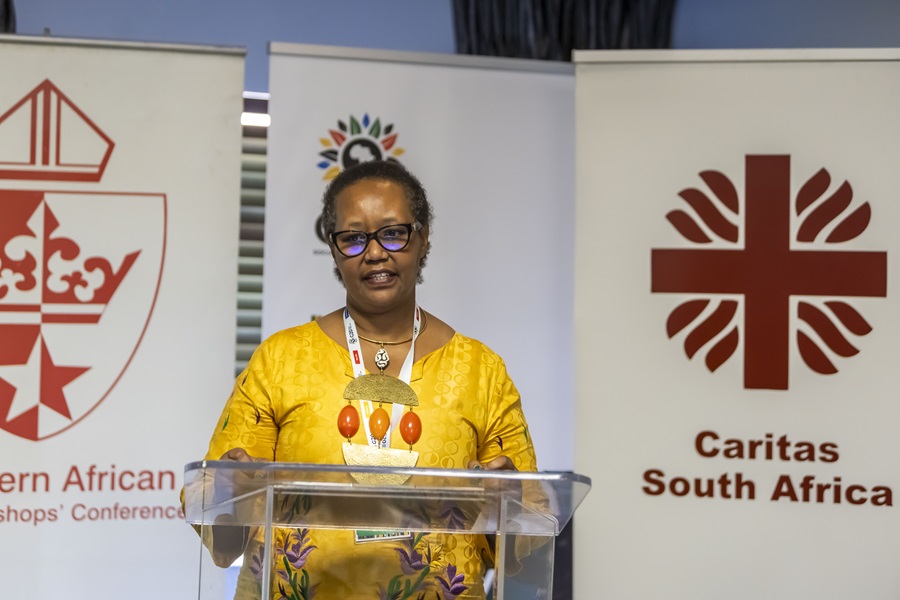
At the conclusion of the G20 Social Summit side event on Wednesday, 18 November, Jacqueline Utamuriza Nzisabira, UN Women Regional Adviser for HIV and Gender in East and Southern Africa, spoke with the Southern African Catholic Bishops Conference (SACBC) communication office about the debt crisis and its disproportionate effect on women and girls.
She explained: “The debt has tremendous impact on all these developmental aspects of nations in the Global South… the biggest burden is borne by women and girls on the continent.” Nzisabira highlighted that debt repayments in some countries reach up to 30% of GDP, diverting funds from essential services like healthcare, education, and social protection.
Calling for justice and accountability, she added: “There must be more justice in debt, both considering the debt relief, but also considering a more moral and more just lending, as well as an accountability of what would have been actually recovered as debt relief… accountability must involve both state and non-state actors to ensure that it is spent justly and morally correctly.”
Her remarks aligned with the broader appeal made by faith leaders at the G20 Social Summit, organised by Caritas Internationalis, Caritas Africa, Caritas South Africa, and the SACBC Justice and Peace Commission. The side event, themed “A Jubilee for Solidarity: Towards a People and Planet Driven Financial Architecture for Africa,” called for meaningful debt cancellation, fair restructuring, private creditor participation, and the establishment of a UN-led global debt framework to promote transparency and social investment.
The first African G20 Leaders’ Summit underscores the continent’s growing role in global governance and its push for solutions that combine financial responsibility with human and environmental priorities, reflecting South Africa’s aim to leave no person, community, or country behind.
0 Comments