
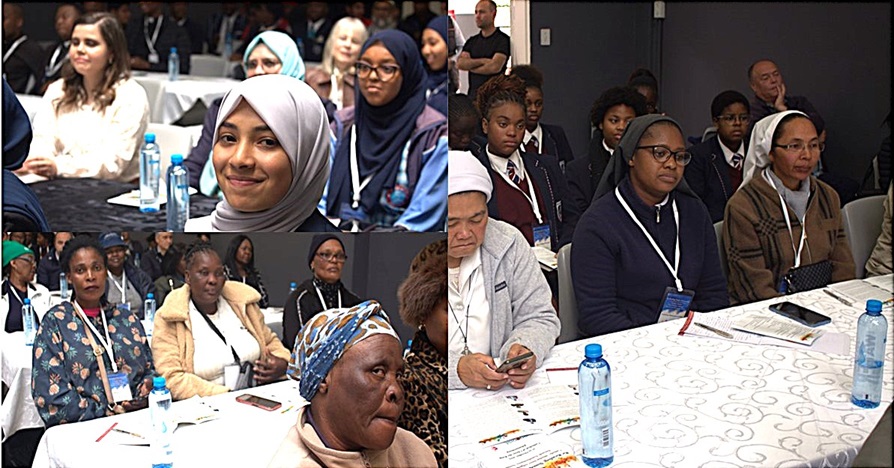
In a reflection on the shared devotion to Mary among Catholics and Muslims, the Coordinating Secretary of the Southern African Catholic Bishops’ Conference (SACBC) Department of Ecumenism, Interreligious Dialogue and Dialogue with the Secular World, highlights how encounters around the figure of Mary can foster mutual understanding, respect, and spiritual dialogue between faith traditions.
Drawing on observations from Marian shrines and churches in countries such as Djibouti and Algeria, where Catholic and Muslim women are often seen praying in the same sacred spaces, Fr Bonaventure Mashata MAfr explores the theological and spiritual significance of these encounters.
His reflection emerges from a dialogue with Islamic scholar Dr Ali Masawudu, who offered insights into how Muslim women understand their devotion in the presence of Mary, known in Islam as Maryam.
In the Wednesday, 3 June 2026, reflection shared with the SACBC communication office, Fr Mashata notes that while Catholics seek the intercession of Mary, asking her to pray to God on their behalf, Muslims direct all prayer to Allah alone. Some Muslims, particularly within the Shīʿī tradition, may practice ‘tawassul’, invoking the honoured status of holy figures such as Maryam as a means of drawing closer to God. Although the theological approaches differ, he observes that both traditions ultimately express a desire for communion with the one God.
The reflection emphasizes that Mary occupies a unique place in both Christianity and Islam. Revered for her purity, humility, faith, and complete surrender to God’s will, she serves as a powerful point of connection between believers of the two faiths.
According to Fr Mashata, these moments of shared reverence reveal an important dimension of interreligious dialogue. Beyond formal theological discussions, genuine encounters often take place through simple acts of prayer, presence, and mutual respect. The sight of Catholic and Muslim women standing side by side before the figure of Mary offers a powerful witness to the possibility of peaceful coexistence and spiritual solidarity.
He argues that religious differences need not be sources of division. Rather, when understood with openness and respect, they can enrich dialogue and deepen appreciation for the various ways people seek and respond to God. Mary, he suggests, becomes a bridge of encounter, helping believers recognize what they share while remaining faithful to their distinct traditions.
Fr Mashata also highlights the important role women play in fostering interreligious understanding. Through everyday gestures of faith, care, and devotion, women often create spaces where authentic dialogue can flourish naturally and fruitfully.
Concluding his reflection, Fr Mashata describes these encounters as signs of grace at work across religious boundaries. While theological frameworks remain distinct, he writes, the direction of the heart remains the same: toward God.
In Mary/Maryam, Christians and Muslims find a figure who continues to inspire faith, humility, trust, and mutual respect, offering a hopeful witness for a world in need of greater understanding and peace.
0 Comments